
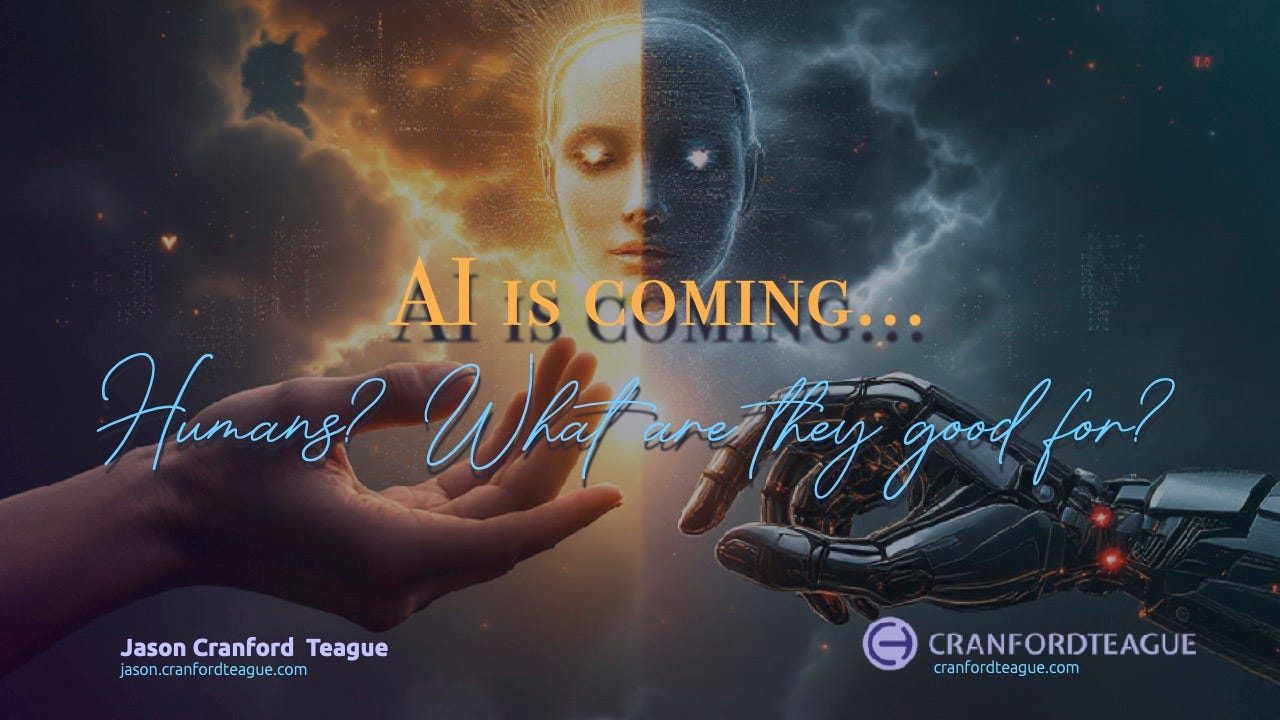
Are you looking over your shoulder at your job, looking for the next round of layoffs. There is a heavy cloud of anxiety about our jobs being in danger of automation. We’ve seen the headlines, and we’re all asking the same question: What are humans good for now that AI is coming?
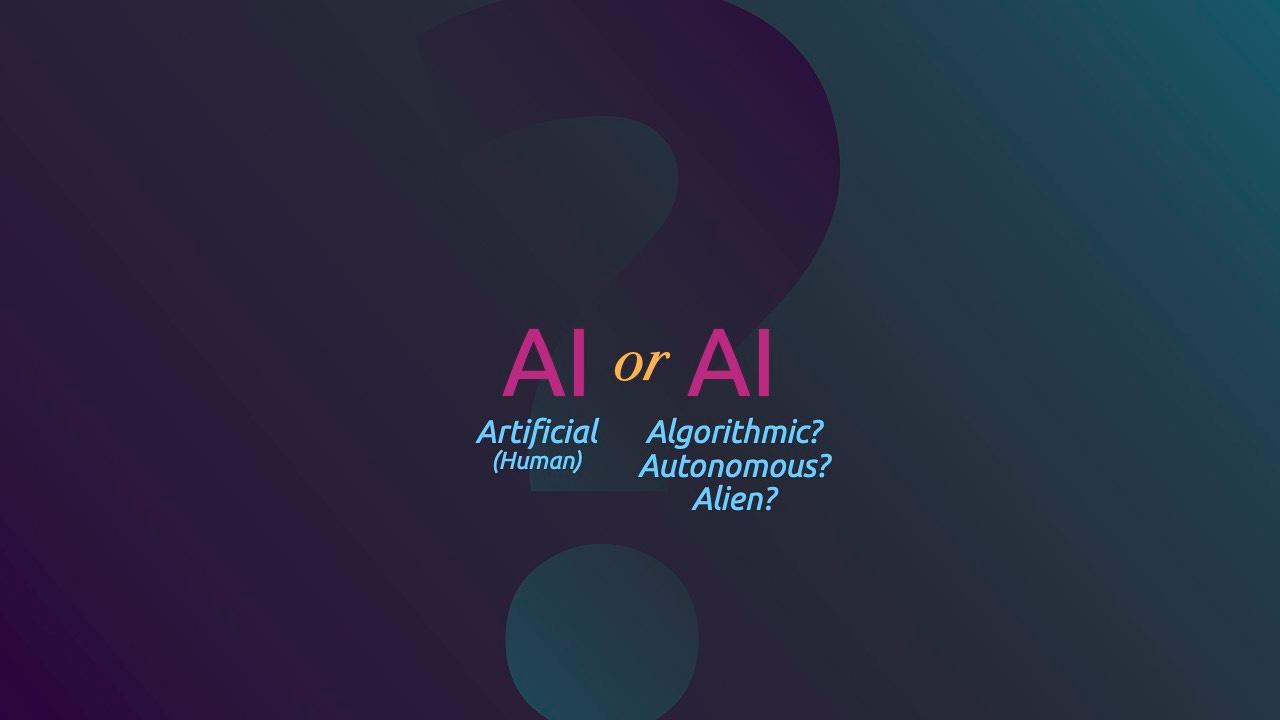
To answer that, we have to start by clearing the misconception of what AI actually is in today’s world. We hear “Artificial Intelligence” and we assume it’s trying to be an artificial human intelligence. But I’d argue it’s more like an “Alien Intelligence”—something every bit as different from us as a creature from a planet millions of light years away. It’s algorithmic, it’s autonomous, and it may be a form of intelligence (if we can figure out what that is) but it isn’t human.
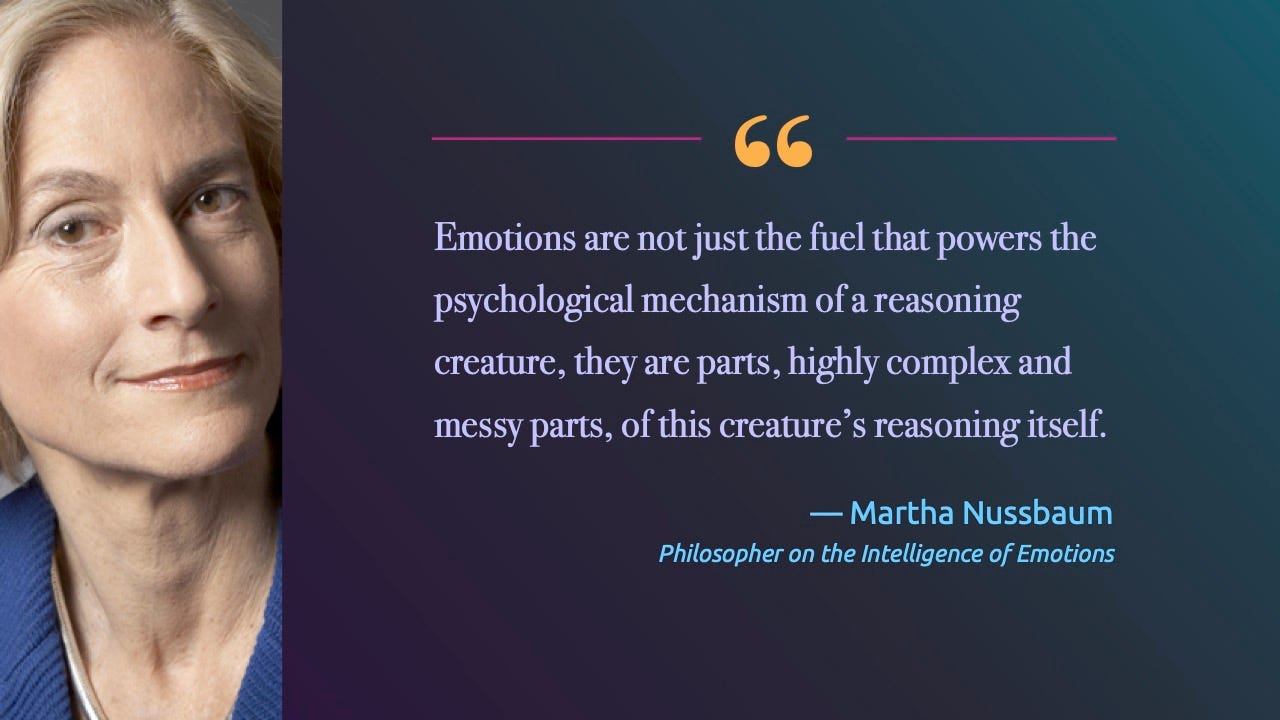
Human intelligence is built on reason, knowledge, and communication, but the magic ingredient is creativity. And the reason AI can’t truly be creative is as simple—and as cliché in science fiction—as you can get: emotions. AI lacks that biological condition that gives a rise to emotional responses. It doesn’t have the proteins, the DNA, or the chemicals that give rise to the “messy parts” of reasoning that creativity gives rise to. As Martha Nussbaum wrote, emotions aren’t just fuel; they are part of the reasoning itself.
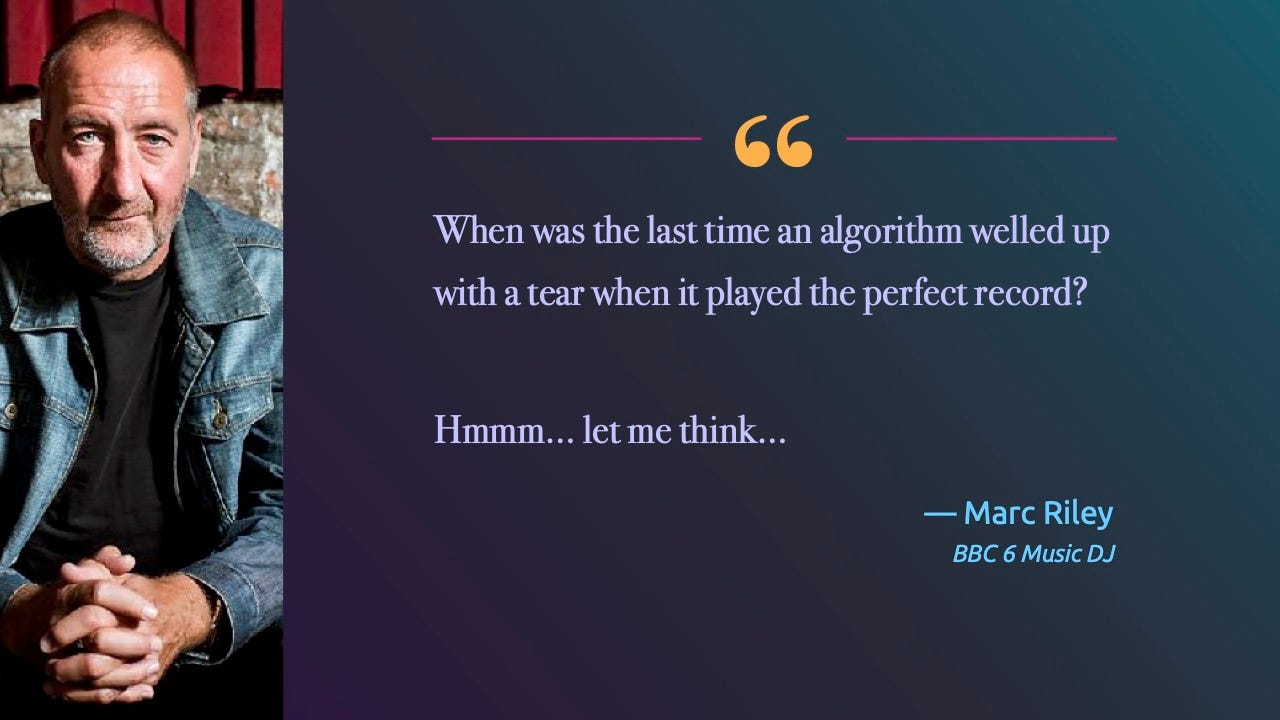
An algorithm can play the perfect record, but when was the last time an algorithm “welled up with a tear” because of it
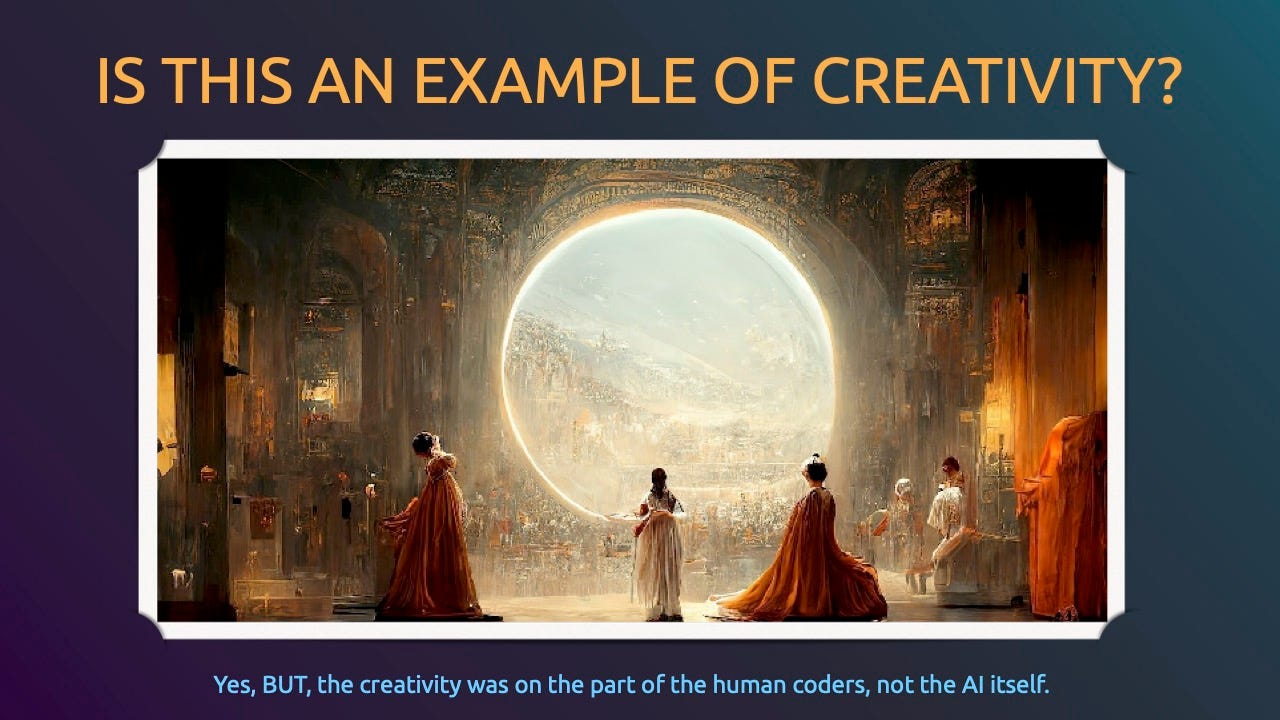
We also have to stop confusing creativity with the creation. Take that AI image that won the Colorado State Fair. People asked, “Is this creativity?” I couldn’t disagree more with the idea that the AI was the creative force there. The creativity belonged to the human coder, Jason Allen. He had the desire, he asked the questions, and he set the process in motion. Creativity is not the creation; the song, the painting, or the website is just the “receipt.” AI is a great tool for printing receipts, but it doesn’t have the desire to create them in the first place
I’ve realized for awhile that creativity isn’t a talent—it’s an ability, like throwing a ball. We can’t all be Michael Jordan, but we can all throw the ball. As John Cleese said, creativity is a “way of operating.” It’s about getting yourself into a particular mood or mode where you’re able to play with ideas, childlike, without worrying about some immediate practical purpose. In the work world, we get obsessed with “productivity,” but productivity isn’t performance. If I play for two hours and find a brilliant solution, and someone else grinds for four hours and produces something poor, who was more “productive”?
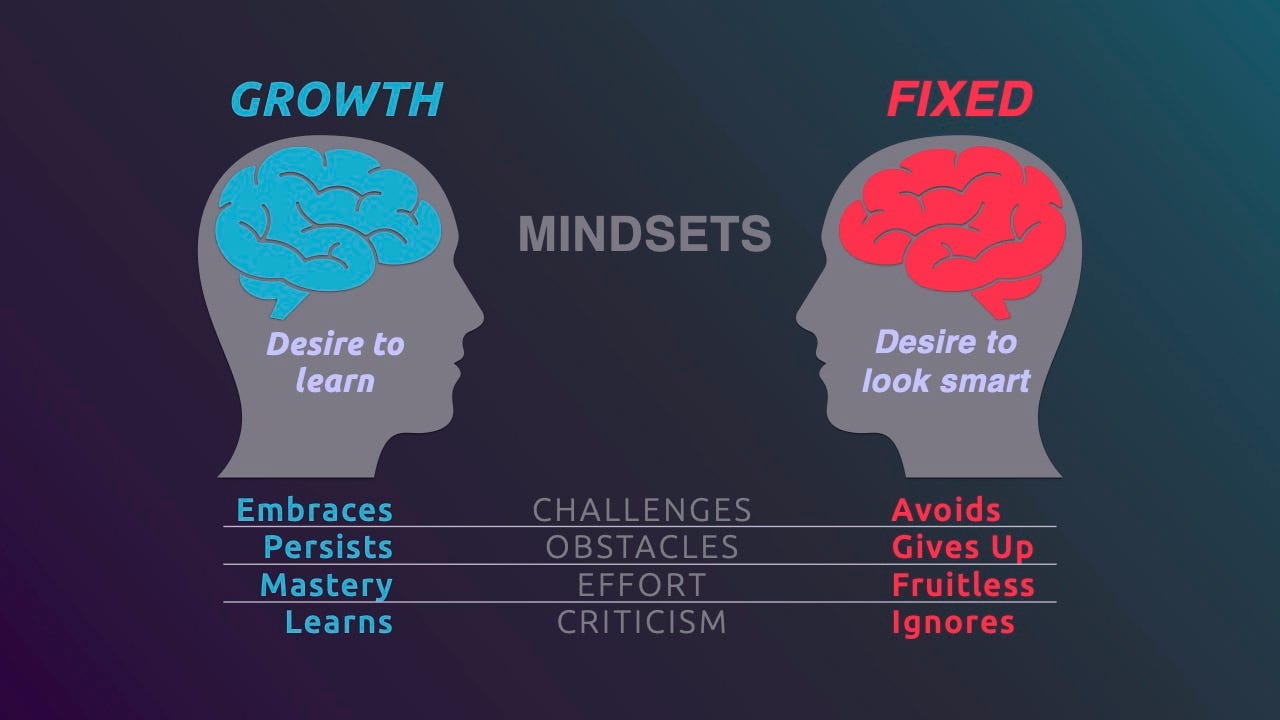
To stay creative, you have to cultivate a growth mindset. You have to be willing to be vulnerable and open to criticism, even the hostile kind, because there’s usually a kernel of truth in there. A fixed mindset just wants to “look smart,” but a growth mindset has a desire to learn. It’s better to know why you failed than to not know why you succeeded. You have to be willing to take on projects that challenge your abilities and treat every obstacle as if it is surmountable.
And you have to be mindful. Mindfulness isn’t about naval-gazing; it’s about being present enough to observe the world. It’s about “zooming in and out” of a problem so you don’t miss the big picture or the details. When I’m in the “creative doldrums”—when I feel like there’s no creative wind in my sails—I just keep working the process until the wind returns.
David Lynch talks about ideas being like fish. You don’t make the fish; you catch them. You put the “bait on a hook” by desiring an idea, and then you wait. They come in small fragments, like pieces of a puzzle being flipped into your room from another room. Your job is to be open enough to catch them and assimilate them in your own unique way.
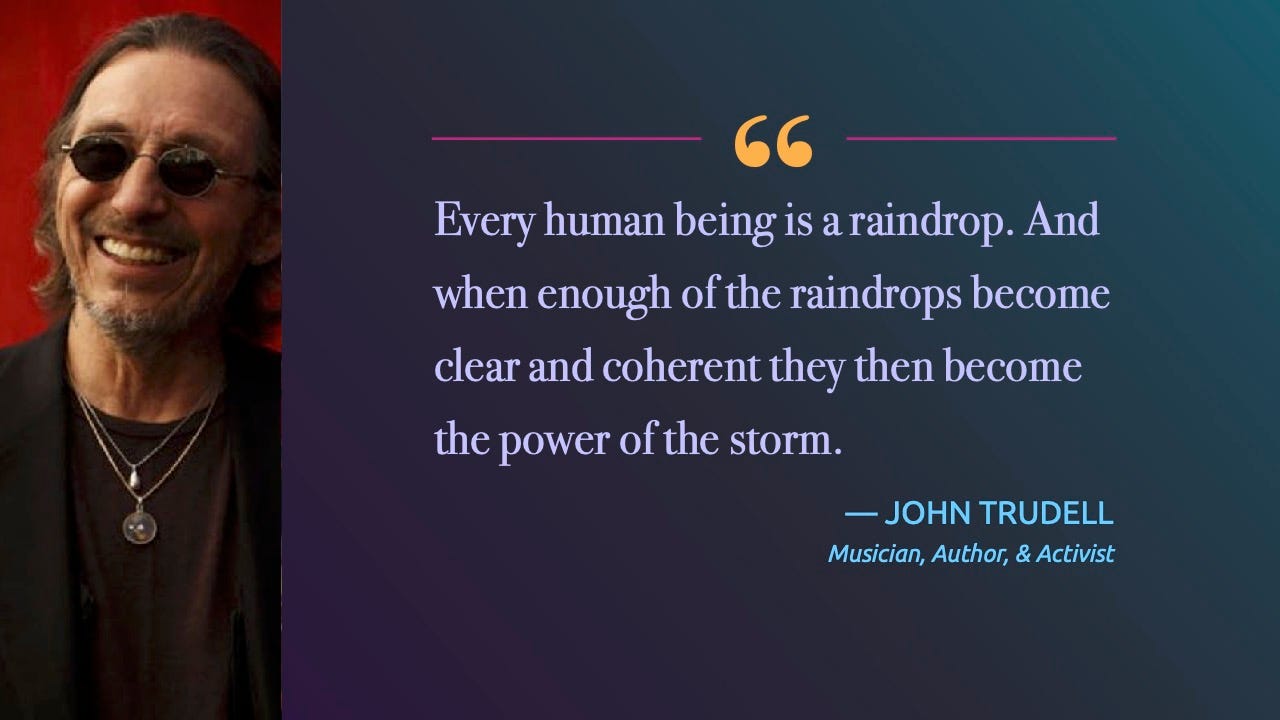
AI is a power and a force we can’t fully understand yet, but it doesn’t have to be the end of us. John Trudell said that “every human being is a raindrop.” When we become clear and coherent in our own creativity, we don’t just disappear—we become the power of a storm. So, make your creativity clear. Make it coherent. And don’t forget to relax—it’s not that important, as long as you don’t keep reminding yourself that creativity is everything.